Rural Digital Payments: How Technology Is Reaching the Unbanked
An in-depth look at how digital payment technology is transforming financial access in rural India — from offline UPI to micro-ATMs, and the challenges that remain for true financial inclusion.
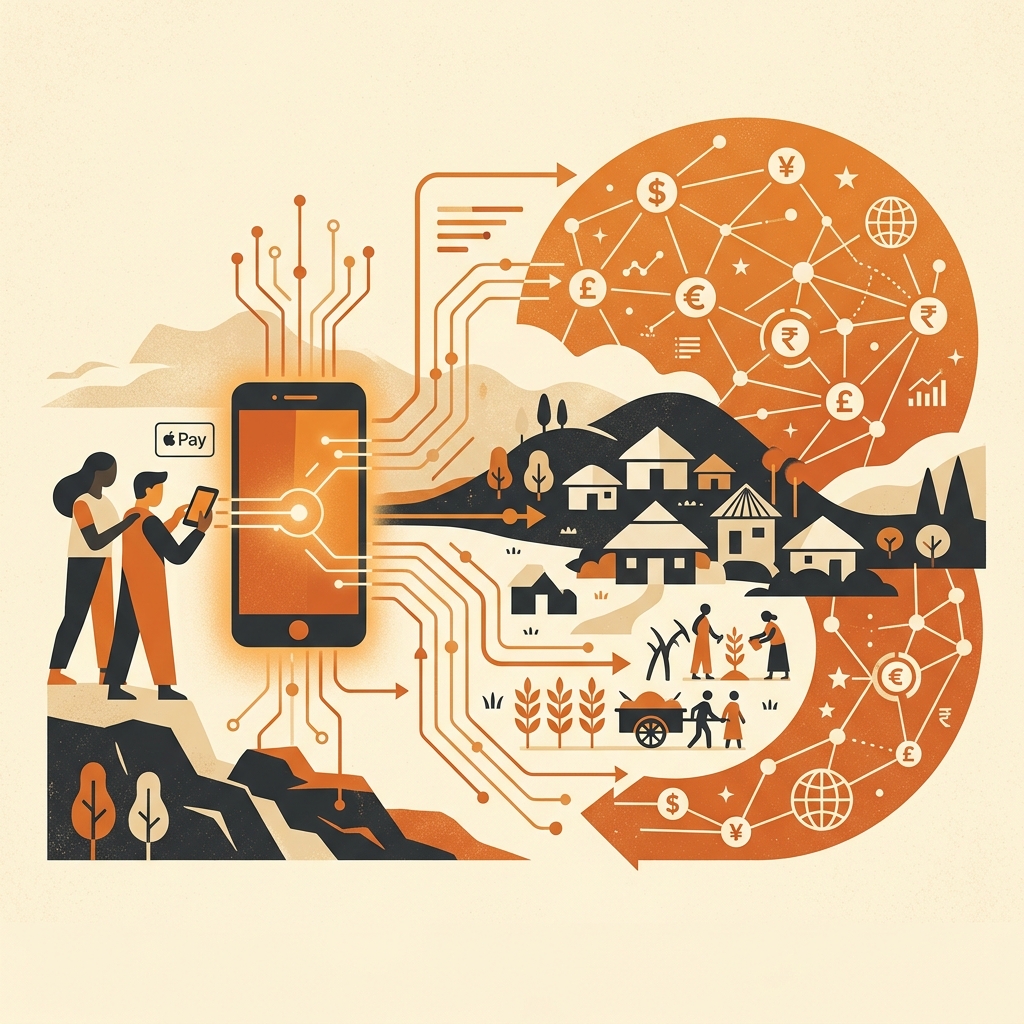
Forty kilometers from Bangalore’s tech parks, in a village called Kundana, a dairy farmer named Lakshmi receives payment for her daily milk delivery via UPI. Three years ago, she was paid in cash that she walked two kilometers to deposit at the nearest bank branch — which was only open four days a week. Today, the money arrives in her account before she gets home.
Lakshmi’s story isn’t unusual anymore. India’s digital payments revolution — often told through the lens of urban convenience — has a more profound impact in rural areas where formal financial services were historically absent. But the transformation is incomplete, uneven, and faces challenges that urban users never encounter.
The Scale of the Problem
India has approximately 190 million adults who are either unbanked (no bank account) or underbanked (have an account but are unable to use formal financial services effectively). The vast majority live in rural areas.
Before digital payments, rural financial transactions looked like this:
- Savings: Cash kept at home (vulnerable to theft, no interest)
- Payments: Cash carried to markets (risky, slow, no record)
- Credit: Local moneylenders at 30-60% annual interest (exploitative)
- Remittances: Migrant workers sending money home via informal channels (unreliable, expensive)
Each of these pain points created real economic harm. Cash storage losses, fraud, and moneylender exploitation drained an estimated 4-7% of rural household income annually.
How Technology Is Changing This
Jan Dhan + Aadhaar + Mobile (JAM Trinity)
The foundation of rural digital payments is the JAM trinity — a government initiative that linked bank accounts (Jan Dhan), biometric identity (Aadhaar), and mobile phones to create a digital financial identity for every citizen.
Key numbers:
- 52 crore+ Jan Dhan accounts opened since 2014 (most in rural areas)
- 99%+ Aadhaar coverage across adult population
- 85%+ mobile phone penetration in rural India (though smartphone penetration is lower at approximately 55%)
This infrastructure enables what was previously impossible: a farmer in a remote village can have a bank account, prove their identity biometrically, and access that account through a basic phone.
Business Correspondent (BC) Network
Perhaps the most impactful innovation for rural digital payments is the Business Correspondent model. BCs are local agents — often shopkeepers, post office workers, or village-level entrepreneurs — who provide banking services using a mobile device and a micro-ATM.
A rural customer walks to their local BC (usually within their village), provides their Aadhaar number or fingerprint, and can:
- Deposit cash into their bank account
- Withdraw cash from their account
- Transfer money to any other bank account
- Check their balance
- Receive government benefit payments (DBT)
India now has over 5 lakh+ active BCs, making formal banking accessible in areas where the nearest bank branch is 20+ kilometers away.
Offline UPI (UPI Lite)
Launched in 2023 and expanded since, UPI Lite enables small-value payments without an internet connection using NFC technology. The user loads a small amount (up to ₹2,000) into an on-device wallet, and transactions are processed device-to-device without real-time bank verification.
This is transformative for rural areas where internet connectivity is intermittent. A farmer at a weekly market with no cell signal can still make and receive digital payments.
Feature Phone UPI (*99#)
Not everyone has a smartphone. USSD-based banking (*99#) allows feature phone users to perform basic UPI transactions using text menus. While the user experience is clunky compared to apps, it works on any phone — including ₹1,000 feature phones.
Real Impact Stories
Direct Benefit Transfer (DBT)
Before digital payments, government subsidies were distributed through a chain of bureaucrats and middlemen. Studies estimated that 30-40% of subsidies were lost to leakage (corruption, intermediary skimming). DBT — transferring subsidies directly to beneficiary bank accounts — has dramatically reduced this leakage.
The government claims DBT has saved ₹2.73 lakh crore since inception by eliminating ghost beneficiaries and middlemen. Even accounting for government optimism in these figures, the impact on actual beneficiaries reaching rural households is significant.
Dairy and Agricultural Payments
India’s dairy cooperatives (modeled after Amul) now process millions of daily payments digitally. When a farmer delivers milk, the fat content is measured, and payment is calculated and transferred instantly. This replaces a system where farmers waited 7-15 days for cash payments — during which they often borrowed from moneylenders at exploitation rates to cover daily expenses.
Microfinance and Digital Credit
Digital payment records create something previously impossible for rural Indians: a financial history. When a farmer has 2 years of consistent UPI payment records, formal lenders can assess creditworthiness without the collateral that traditional banks require.
This has enabled microfinance institutions and fintech lenders to offer small business loans to rural entrepreneurs at 12-18% (still high, but far better than the 36-60% charged by informal moneylenders).
The Challenges That Remain
Digital Literacy Gap
Having a smartphone doesn’t mean knowing how to use it for payments. Research shows that 40% of rural smartphone owners have never made a digital payment — not because of technology limitations, but because of confidence and literacy barriers.
Training programs exist but reach only a fraction of the need. The most effective digital literacy happens peer-to-peer: one family member or neighbor who understands UPI teaches others.
Infrastructure Deficits
- Internet connectivity: While 4G coverage reaches most populated areas, signal quality in remote regions is inconsistent. Failed transactions due to timeouts are a common frustration that erodes trust.
- Electricity: Smartphones need charging. In areas with interrupted power supply, keeping phones charged for payments is a practical barrier.
- Merchant acceptance: While QR code adoption is growing, many small rural merchants still operate cash-only.
Trust and Fraud
Rural users, who often have lower digital literacy, are disproportionately targeted by payment fraud. Common scams — fake KYC calls, reverse UPI requests, lottery fraud — exploit the gap between technology adoption and security awareness.
Building trust requires not just technology but sustained education about common fraud patterns and how to avoid them.
Language and Interface Design
Most payment apps are designed in English or Hindi. India has 22 official languages and hundreds of dialects. A Bengali-speaking farmer in West Bengal or a Tamil-speaking farmer in rural Tamil Nadu may struggle with Hindi-language payment interfaces.
Multilingual support is improving but remains inconsistent across platforms.
The Path Forward
The trajectory is clear: rural digital payments are growing faster than urban ones, driven by government policy, improving infrastructure, and network effects. But the gap between “having access to digital payments” and “effectively using digital payments” remains wide.
Closing this gap requires:
- Last-mile connectivity investments — reliable 4G/5G in remote areas
- Vernacular-first interfaces — payment apps designed in local languages
- Community-based digital literacy — training programs run by trusted local figures
- Fraud protection — simpler security features and better customer support for rural users
- Incentive alignment — making digital payments visibly beneficial (faster, cheaper, safer) rather than just technologically available
The urban digital payment story is largely told — it’s a convenience upgrade. The rural story is fundamentally different — it’s about economic access, reduced exploitation, and financial dignity. And it’s still being written.
PayWise Team
Personal finance enthusiast and tech writer at PayWise. Passionate about making digital finance accessible to everyone through practical, experience-based guides.